In my first project, I learned the importance of focusing and understanding my target audience's perspective in the “defining a problem” phase. Looking back, I realize I initially overwhelmed myself with ideas without considering who I was designing for. This led to feedback suggesting my concepts do not align with the persona’s needs. As a result, I spent more time refining this project compared to other ones.
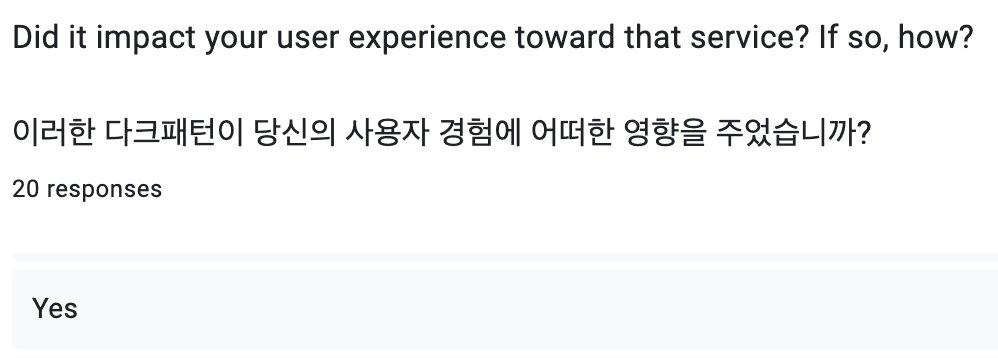
Moreover, this project taught me a crucial lesson about gathering feedback effectively. For instance, when I asked a compound question like, 'Did it impact your user experience toward that service? If so, how?' I often received simple yes or no answers. This highlighted the importance of asking clear, focused questions without combining multiple queries into one.
One limitation I faced was attempting to incorporate all features into the persona without focusing on addressing a single, crucial problem. I sometimes overlooked the importance of honing in on a specific issue. In the redo, I changed some of the ideas to make sure that all of my five ideas address the one problem. A notable distinction in this project compared to others was the inclusion of feedback from a diverse group, notably older individuals, who offered valuable insights into real-world challenges concerning technology and online services. However, integrating these insights into ideation posed challenges due to the multitude of difficulties they encountered. Additionally, as my first experience with an HCI project, I discovered more difficulty in generating ideas and applying them to HCD principles.
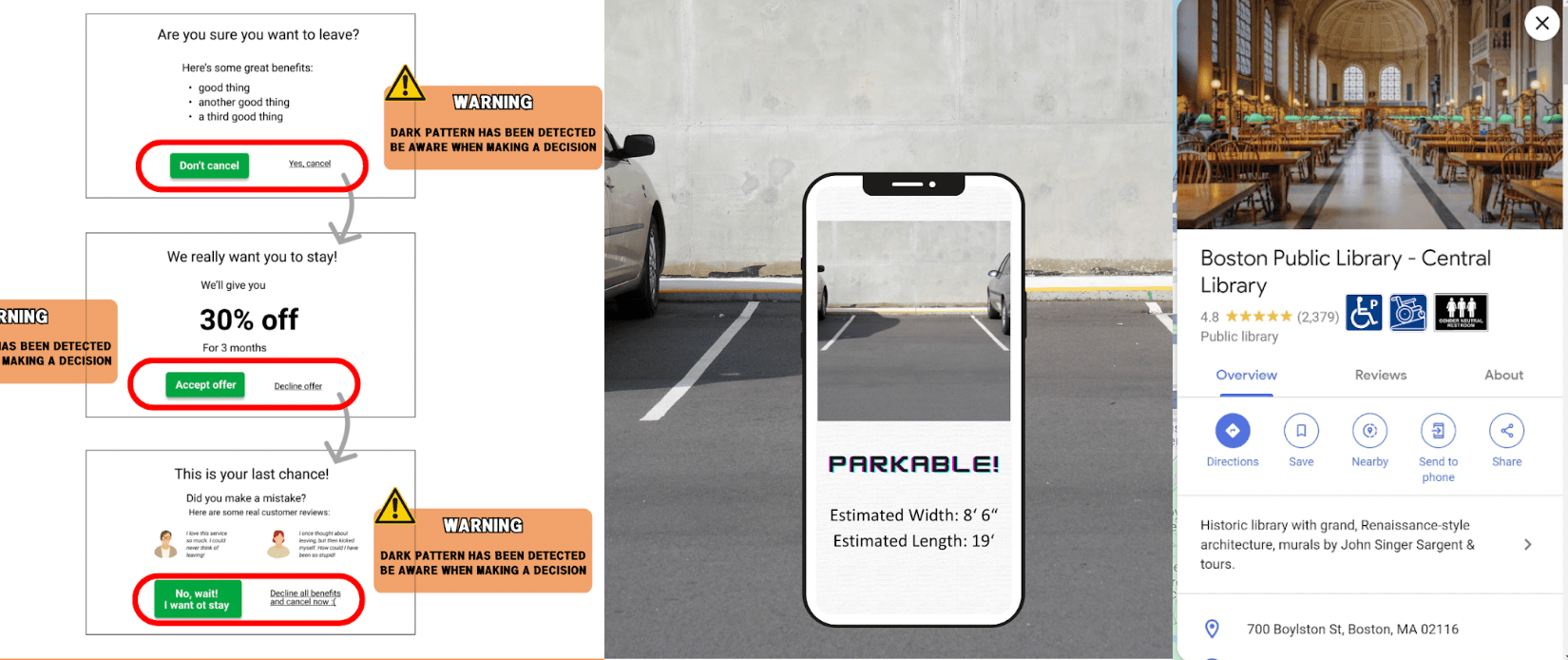
Throughout my journey in computer science, I've consistently considered the digital divide. Therefore, in Project 1, my goal was to create a service specifically tailored to address the needs of the elderly. This led me to establish a corresponding persona and concentrate on crafting solutions aimed at mitigating this issue. As a result, ideas such as accessibility maps and kiosk practice applications were among the featured concepts in the project.I found myself overly preoccupied with the question of whether my ideas were technologically feasible, leading to the abandonment of many little thoughts before they could fully develop into concrete ideas. However, during office hours, I was surprised to learn that in the ideation phase, we do not need to consider that.
Project 1 helped me grasp the essence of HCI, which prioritizes human-centered design. While I used to assume that considering the 'human' aspect was inherent in all projects, Project 1 demonstrated how to apply this principle in terms of 'specifying the target'